2026-10-24 ·
How Freeze-Thaw Cycles Affect Siding on Oakley Homes
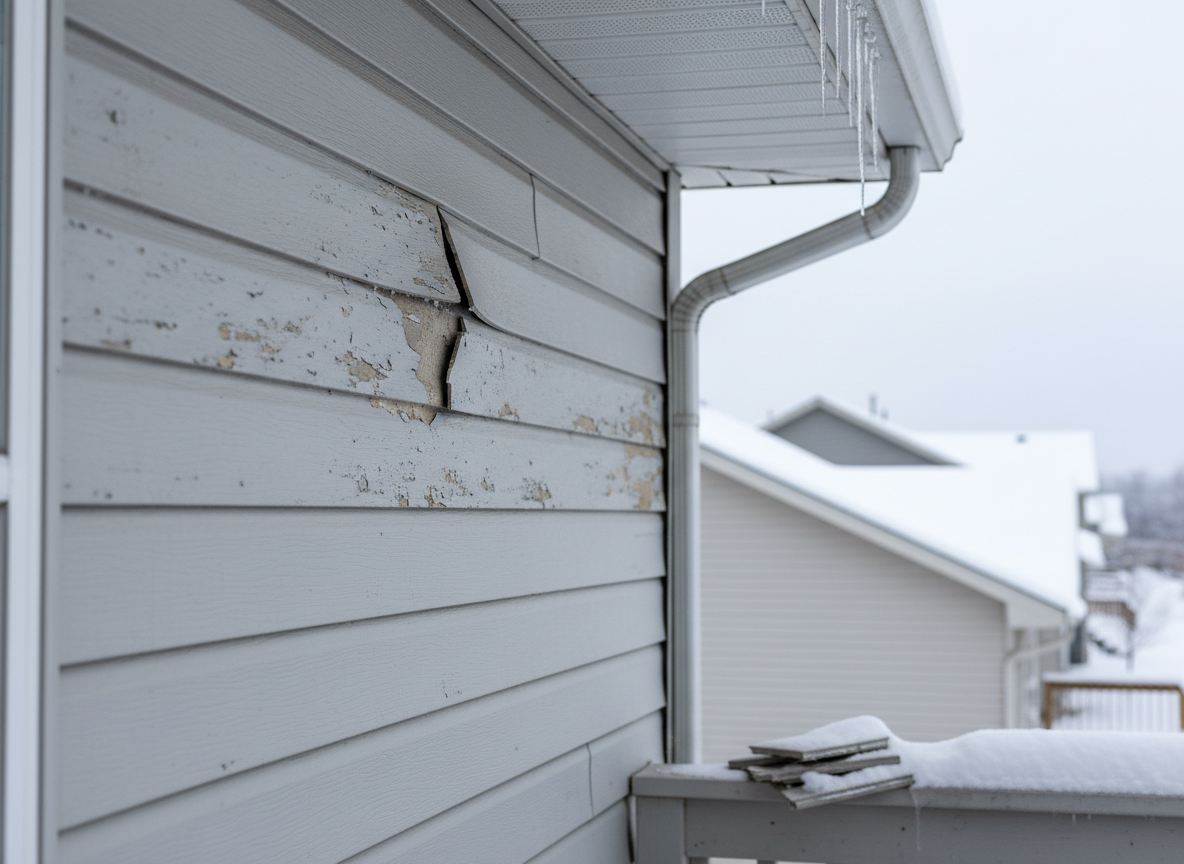
Freeze-thaw cycles in Oakley drive repeated expansion and contraction that cracks vinyl and warps wood siding on local homes within 8-12 years. Oakley sits in Hamilton County where winter temperatures swing above and below freezing 25-35 times each season, pulling moisture into joints and behind panels before it expands as ice. This process accelerates on the north-facing walls of homes in Oakley East and Oakley West, where shade keeps surfaces colder longer.
Freeze-Thaw Mechanics in the Oakley Climate
Oakley winters bring moisture from the nearby Ohio River valley that infiltrates small gaps in siding. When temperatures drop below 32°F at night and rise above freezing by midday, trapped water freezes and expands by roughly 9 percent. Over one winter this can repeat dozens of times, pushing seams apart on vinyl panels and splitting cedar boards on mid-century houses common throughout Oakley and nearby Hyde Park. The cycle is harshest on south and west exposures that receive afternoon sun, melting snow into joints only for it to refreeze after sunset. Homeowners in Pleasant Ridge and Evanston notice the same pattern on older stock built before modern vapor barriers became standard.
Material-Specific Effects on Oakley Homes
Vinyl siding common on 1960s-1980s Oakley houses becomes brittle below 20°F and develops hairline cracks where fasteners hold it tight. Wood siding absorbs the most water during thaws and then checks or cups when the ice forms. Fiber cement boards hold up better but still show corner chipping after repeated freeze-thaw stress along the foundation line. Metal siding expands and contracts at different rates than its fasteners, loosening over 10-15 winters. In neighborhoods like Mount Lookout and Kennedy Heights, many homes retain original aluminum that now shows oil-canning from this movement. These material responses vary by age of the home and how well previous owners sealed penetrations.
Observable Damage Patterns in Local Neighborhoods
Inspectors working Oakley streets see lifted corners on vinyl first, followed by water staining behind the panels once the seal fails. Wood siding shows cupping along the bottom edges of boards facing prevailing winds. On mid-century brick homes in East Walnut Hills, the freeze-thaw action often detaches trim boards from the substrate. These signs appear earlier on north sides and near downspouts where runoff keeps surfaces wet. Checking for these patterns each spring helps owners catch issues before moisture reaches sheathing.
Practical Steps to Reduce Freeze-Thaw Damage
Start by clearing debris from weep holes and ensuring gutters direct water at least 5 feet from the foundation. Replace cracked caulk around windows and doors with flexible, low-temperature-rated sealant before the first hard freeze. On homes showing early cupping or seam separation, schedule an inspection with siding repair contractors who know Oakley stock. For full replacement, siding replacement contractors can recommend materials tested for Cincinnati humidity swings, as discussed in Choosing Siding That Handles Cincinnati Humidity. Owners of 1950s-1970s houses may also review Maintaining Siding on Mid-Century Oakley Houses for targeted upkeep steps.
Long-Term Considerations for Oakley Properties
Repeated freeze-thaw exposure shortens siding lifespan by 30-40 percent compared with milder climates. Homes in Oakley West near the rail line often face additional wind-driven rain that forces more water behind panels. Planning replacement before widespread sheathing damage occurs keeps costs closer to $8-$12 per square foot rather than requiring full wall rebuilds. Regular spring inspections combined with prompt repairs extend service life and protect the structure underneath.